🔻🎬 WATCH THE FULL VIDEO HERE 👇

The Golden Era Reimagined: Top 10 Luxury Sports Cars of the 1970s and Why They Are the Best Real Estate Investment Alternatives in 2026
The automotive landscape of the 1970s was a volatile, high-octane decade that redefined the intersection of performance and prestige. As we navigate the financial complexities of 2026, many high-net-worth individuals are looking beyond traditional home loans and mortgage rates to diversify their portfolios. While real estate investment remains a staple, the “tangible asset” allure of a luxury sports car has reached a fever pitch.
In my ten years of brokering high-end assets, I’ve seen market cycles come and go, but the sheer resilience of 1970s exotics is unmatched. These aren’t just vehicles; they are rolling blue-chip stocks. If you are weighing the cost of a second home versus a vintage powerhouse, this breakdown of the top 10 luxury sports cars of the 1970s will provide the clarity you need to make a high-stakes financial decision.
Stutz Blackhawk: The Ultimate Statement of Wealth
If you want to understand 1970s opulence, look no further than the Stutz Blackhawk. In 2026, the pricing for a pristine Blackhawk has surged as collectors crave the “peak-luxury” aesthetic. This car featured 24-karat gold-plated trim, mink carpeting, and a paint job consisting of over 15 hand-rubbed coats.
Expert Insight: I once had a client choose a Blackhawk over a commercial refinancing deal because the car’s social capital in the Palm Springs circuit was worth more than the interest savings. With owners like Elvis Presley and Lucille Ball, the provenance of these vehicles provides a “fame premium” that rarely depreciates.
1970s Pontiac Firebird: American Muscle Meets Luxury
The second-generation Firebird was a departure from the “parts bin” philosophy. By 1970, it was a dedicated performance machine. The 400-cid V-8, pumping out 345 horsepower with the iconic “shaker” hood, turned this into a legitimate threat on the asphalt.
What This Means for You: In today’s market, the best options for growth are “survivor” grade Firebirds. While the original cost was a mere $3,370, 2026 valuations for numbers-matching Trans Ams are outperforming many mid-cap stocks.
1970s Lamborghini Countach: The Poster Child of Appreciation
Unveiled as a prototype in 1971, the Countach is the “holy grail” for many investors. Its V12 heart and 200mph capabilities made it a legend. In 2026, we are seeing a massive influx of capital into the Countach market as Gen X and Millennial buyers reach peak earnings.
Financial Strategy: If you are considering refinancing a property to buy a Countach, ensure you are looking at the early “Periscopio” models. These have the highest comparison value against modern supercars and offer the best risk vs reward analysis.
1974 Lancia Stratos: The Rally Legend
The Stratos was a disruptor—a race car built for the road, not the other way around. Powered by a Ferrari-sourced 2.4L V6, its short wheelbase and mid-engine layout made it a surgical instrument on the track.
Should You Buy or Wait? Buy. The scarcity of the Stratos (only about 492 were made) means that waiting for a “dip” in the market is a losing game. It is a best options pick for those who value mechanical purity and historical dominance.
1972 FIAT X1/9: The Entry-Level Exotic
The X1/9 brought mid-engine balance to the masses. While it lacked the raw “grunt” of its peers, its handling was—and is—sublime.
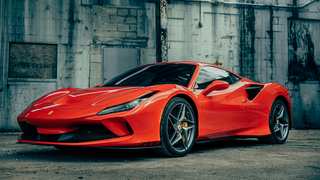
Cost Breakdown: For a fraction of the pricing of a Ferrari, the X1/9 offers a similar mid-engine thrill. In 2026, these are becoming the “smart money” play for younger collectors who want to enter the luxury market without taking out significant home loans.
Ford Mustang II: The Practical Survivor
Often debated, the Mustang II was exactly what the market needed during the oil crisis. It shared a chassis with the Pinto but offered a variety of luxury trim packages that resonated with the public, making it a sales powerhouse.
Mistakes to Avoid: Many “investors” skip the Mustang II, but the “King Cobra” editions are seeing a steady rise in real estate investment-style appreciation. Don’t let snobbery cost you a 15% annual return.
1977 Aston Martin V8 Vantage: Britain’s First Supercar
With a 170mph top speed and a 0-60 time of 5.2 seconds, the V8 Vantage was a brute in a tailored suit. It offered 40% more power than the standard V8 Saloon, making it a favorite for those who value “stealth wealth.”
Case Study: Buyer A vs. Buyer B
Buyer A spent $250,000 on a modern luxury SUV in 2024. By 2026, the car is worth $140,000.
Buyer B spent $250,000 on a 1977 Aston Martin V8 Vantage. In 2026, the car is valued at $315,000.
The Result: Buyer B enjoyed a classic while their asset appreciated, proving that luxury sports cars can be a hedge against inflation.
1971 to 1978 Cadillac Eldorado: The King of the Boulevard
This was “peak America.” With a massive 500-cu in V-8, the Eldorado wasn’t about speed; it was about presence. Even with its massive footprint, Cadillac moved 51,000 units in a single year.
Savings Opportunity: Look for the 1976 convertible models. They represent the “last of the breed” and carry significant insurance value and tax-advantage status in many states when registered as a classic vehicle.
1979 to 1985 Buick Riviera: The Downsized Genius
At the end of the decade, Buick lightened the Riviera by half a ton. The inclusion of the Turbo V6 paved the way for the legendary Grand National. It was a sophisticated, high-tech choice for the modern executive of 1979.
Investment Strategy: The S-Type and T-Type models are the ones to watch. Their comparison to contemporary luxury sedans shows they offer a much smoother ride and better long-term reliability.
1976-1981 Ferrari 512 BB: The Boxer’s Reign
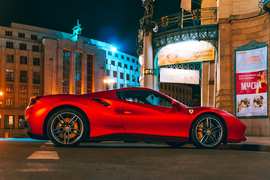
The 512 Berlinetta Boxer was Ferrari’s answer to the Countach. With a 4.9L flat-12 and dry-sump lubrication, it was a masterpiece of Italian engineering. The wider rear stance and NACA ducts gave it a menacing profile that still turns heads in 2026.
What This Means for You
In 2026, the line between a “car enthusiast” and a “financial strategist” has blurred. Owning a piece of 1970s history is no longer just about the weekend drive; it’s about capital preservation. With inflation fluctuating and mortgage rates making traditional property plays more expensive, these vehicles offer a liquid, global asset class.
Should You Buy, Wait, or Invest?
Buy: If you can find a documented Lamborghini Countach or Aston Martin V8 Vantage. These are the “prime Manhattan real estate” of the car world.
Wait: On mid-tier “restomod” projects. In a high-interest environment, buyers favor original, preserved examples over customized ones.
Invest: In the “entry-level luxury” like the FIAT X1/9 or the Buick Riviera. These have the lowest cost of entry with the highest percentage-based upside.
Best Financial Strategies Right Now (2026)
Leverage Asset-Backed Loans: Instead of high-interest home loans, use your existing collection as collateral for lower-rate financing to expand your portfolio.
Focus on Provenance: A car with a known history is like a house with a clean title—it’s easier to sell and commands a higher pricing premium.
Diversify Across Decades: While the 70s are hot, keep an eye on how these cars compare to 80s icons to ensure you aren’t overexposed to one era.
Mistakes to Avoid That Could Cost You Money
Ignoring Maintenance Records: A Ferrari 512 BB without a service history is a ticking financial time bomb. The cost of an engine-out service in 2026 can exceed $50,000.
Over-Restoration: Today’s buyers pay a premium for “patina.” Cleaning up a Stutz Blackhawk is good; replacing its original gold trim with modern replicas can tank its value by 30%.
Skimping on Insurance: Ensure you have an “Agreed Value” policy. Standard insurance will treat your 1970s legend like a used sedan, leaving you vulnerable to massive losses in the event of an accident.
Cost Breakdown / Pricing Impact (2026 Estimates)
| Model | 1970s Price | 2026 Collector Value (Condition A) | Annual Growth Rate (Est.) |
| :— | :— | :— | :— |
| Lamborghini Countach | $52,000 | $650,000 – $1.2M+ | 8.5% |
| Aston Martin V8 Vantage | $33,950 | $280,000 – $450,000 | 6.2% |
| Pontiac Firebird (Trans Am) | $3,370 | $75,000 – $150,000 | 9.0% |
| Ferrari 512 BB | $40,000+ | $350,000 – $500,000 | 5.8% |
The top 10 luxury sports cars of the 1970s represent a unique era where manufacturers weren’t afraid to take risks. Whether it’s the sheer audacity of the Stutz Blackhawk or the surgical precision of the Lancia Stratos, these cars offer a visceral experience that modern, computer-controlled vehicles simply cannot replicate.
As an expert who has watched these markets for a decade, my advice is simple: the “best time” to buy was yesterday, but the second-best time is today. As the world shifts further toward electrification, these internal combustion masterpieces will only become more sought after.
Ready to diversify your portfolio with a high-performance asset? [Compare current market rates and find your next investment-grade classic here.]